On June 18, 1979, Maresciallo Giancarlo Cecconi (born 1933 in Florence), then serving with the 14th Group of the 2nd Fighter Bomber Reconnaissance Wing of the Italian Air Force, was returning from a photographic survey mission over the Ligurian Apennines. He was flying a G-91/R twin-jet reconnaissance aircraft equipped with four VINTEN cameras — two mounted on either side of the front cockpit, one in the front position, and one in ventral position.
While flying over the area between Rovigo and the Colli di Abano Terme, Cecconi received a radio transmission from the control tower of S. Angelo di Treviso military airport, where he was stationed. The tower requested he make contact with the Istrana Aerobase radar station, which had detected an unidentified flying object approximately on the vertical of Quinto di Treviso, in the immediate vicinity of the Treviso airport at an altitude of approximately 1,300 meters.
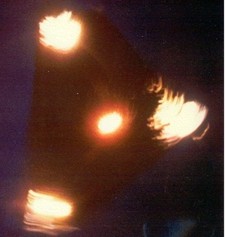
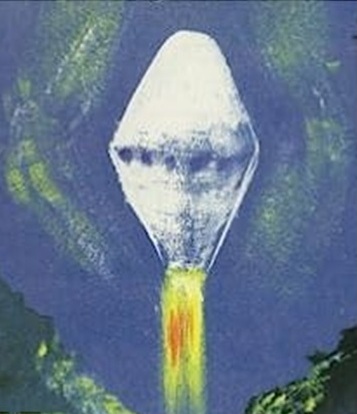
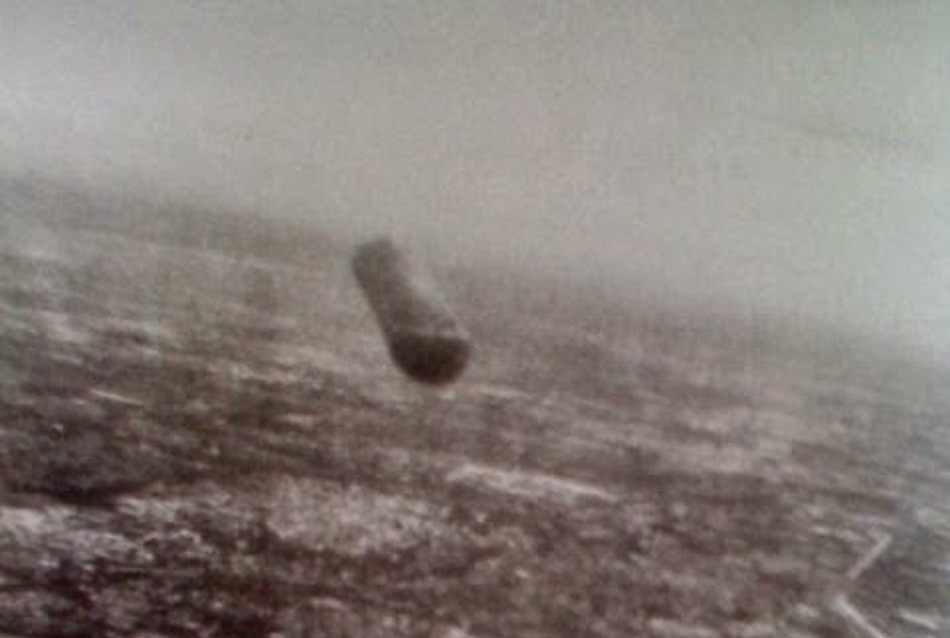
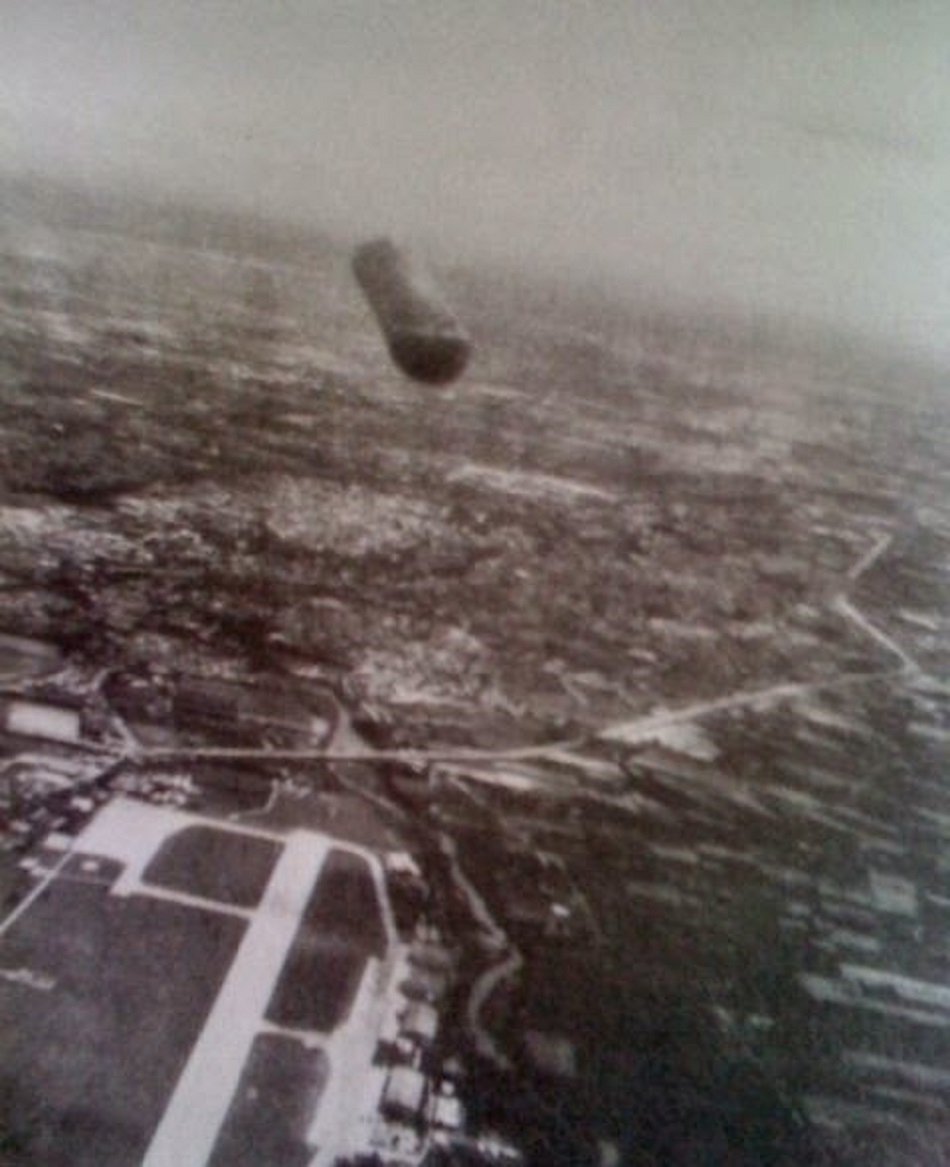
Cecconi maneuvered to intercept the object and observed what appeared to be a dull black "fuel tank" shape with a slightly flattened upper portion featuring a fairing with two "mustaches." On top was a clear or milky white dome-like structure. The object's surface did not permit light refraction. Cecconi estimated the object was approximately 6-8 meters in length and about 3 meters in width.
During the close encounter, which lasted approximately five minutes, Cecconi made multiple passes and took more than eighty photographs using his aircraft's VINTEN cameras — first with the front camera, then with the side cameras after executing a "noose" maneuver (reversing course). The object remained static and did not appear to be affected by turbulence from the aircraft, which passed at a distance of approximately 100 meters at speeds of around 300 knots (450-500 km/h).
The Istrana radar center reported the object suddenly disappeared from their screens during the intercept. The control tower at S. Angelo airport also reported the object inexplicably vanished from visual observation within a few moments. Cecconi landed at the Treviso base and the film was removed and developed immediately.
Following the incident, ufologists requested the Italian Ministry of Defense release documentation concerning the case. The Ministry's response, addressed to researchers, stated that "the object in question, immediately identified, was photographed with edge and unequivocally identified by the personal photo interpreter in a cylindrical balloon, made with black plastic bags."
This official explanation has been met with skepticism, particularly given the extensive experience and credentials of witness Giancarlo Cecconi. Cecconi had an impressive military aviation career, having served as a pilot marshal with the Italian Air Force, and was one of the most respected and esteemed pilot figures for his seriousness and competence. His professional background included extensive experience with aerial reconnaissance and photographic survey operations.
The photographs taken during the encounter were developed and examined. Cecconi personally requested copies from the photo lab. The images show the object in various orientations — primarily frontal or slightly angled positions. Notably, the object never fully exposed its sideprofile to the camera, appearing to "aim" at or track the approaching aircraft — a behavior described by witnesses as defensive.
The case has been documented by Italian UFO research organizations and archived internationally for research purposes. The original source documentation comes from Noiegliextraterrestri, an Italian website that archives UFO encounters, and additional coverage was provided by UFO Casebook.
The Italian Ministry of Defense officially classified the object as a "cylindrical balloon made with black plastic bags." This explanation was provided in response to formal requests for documentation about the case.
However, this identification has been questioned by researchers for several reasons. First, the witness — Maresciallo Cecconi — was a highly experienced military pilot with extensive training in aircraft identification. Second, the object's behavior during the encounter was inconsistent with a balloon: it remained stationary despite the aircraft's close passage at high speed, showed no turbulence effects, and reportedly executed movements that seemed to track the approaching aircraft. Third, the object was simultaneously tracked on radar by the Istrana radar center and was observed by ground personnel at the control tower.
The case remains classified as officially explained by the military, but the determination has not been universally accepted within the UFO research community. The photographs themselves remain part of the historical record and have been cited in discussions of significant military UFO encounters.
The case demonstrates the challenges of official explanations for UFO sightings, particularly when the witness is a highly credible professional with direct experience in aerial observation and identification.
- Q.01What was the true nature of the object observed by Maresciallo Cecconi? The official explanation as a balloon made of black plastic bags has been questioned due to the witness's expertise and the object's reported behavior during the encounter.
- Q.02Why did the object never fully expose its side to the aircraft, appearing to "track" or "aim" at the approaching plane? This defensive positioning was noted by the witness but never explained in the official assessment.
- Q.03What accounted for the object remaining stationary despite the high-speed pass of the G-91 at approximately 100 meters distance? Balloons would be expected to show turbulence effects from such proximity to a jet aircraft.
- Q.04Do classified military documents exist that provide additional details about the incident or any subsequent analysis beyond the "balloon" identification?
- Q.05Were additional witnesses at the Istrana radar center or S. Angelo control tower interviewed, and what are their complete statements regarding the object's radar behavior and visual disappearance?
- Q.06What does the Cecconi case reveal about the reliability of pilot testimony in UFO identification, and how should credible witness testimony be weighted against official explanations?