On Wednesday, March 22, 1967, Augusto Arranda traveled from his home in Lima to the small town of Yungay — a community of approximately 20,000 inhabitants situated at an altitude of more than 3,000 meters in the Ancash mountain range of north-central Peru. The valley, known as the Callejón de Huaylas, is flanked by peaks rising to nearly 4,000 meters, among them the massive Huascarán massif. Arranda was visiting his friend César Oré, who worked at the local tourist office in Yungay.
Before departing for a trek into the surrounding mountains to photograph the giant cacti of the region, Arranda asked Oré to lend him his camera — an elderly Voightlander that Oré had owned for 40 years. Arranda bought a roll of film but, unfamiliar with the old camera, asked Oré to load it for him. He then set off into the Callejón de Huaylas, where panoramic mountain views stretch to peaks approaching 4,000 meters.
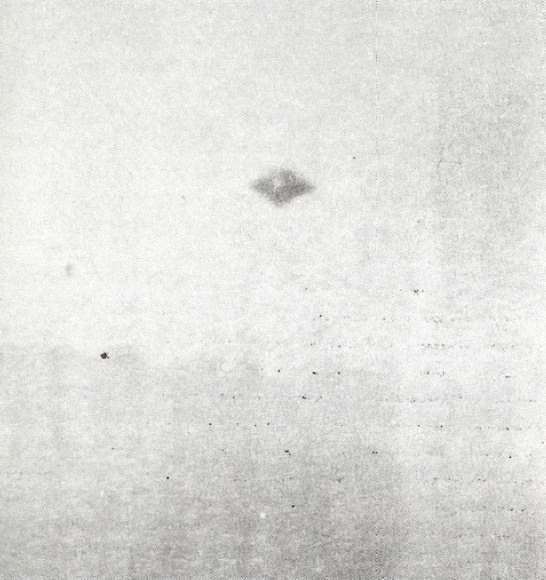
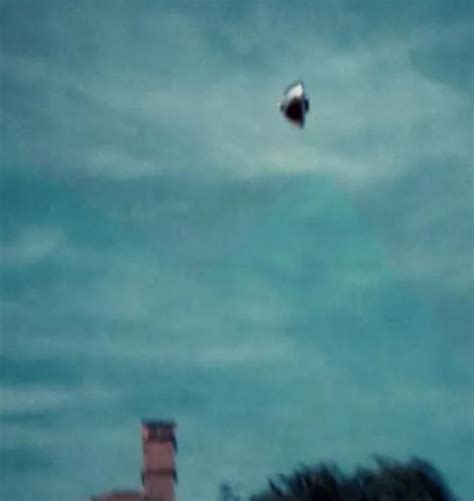
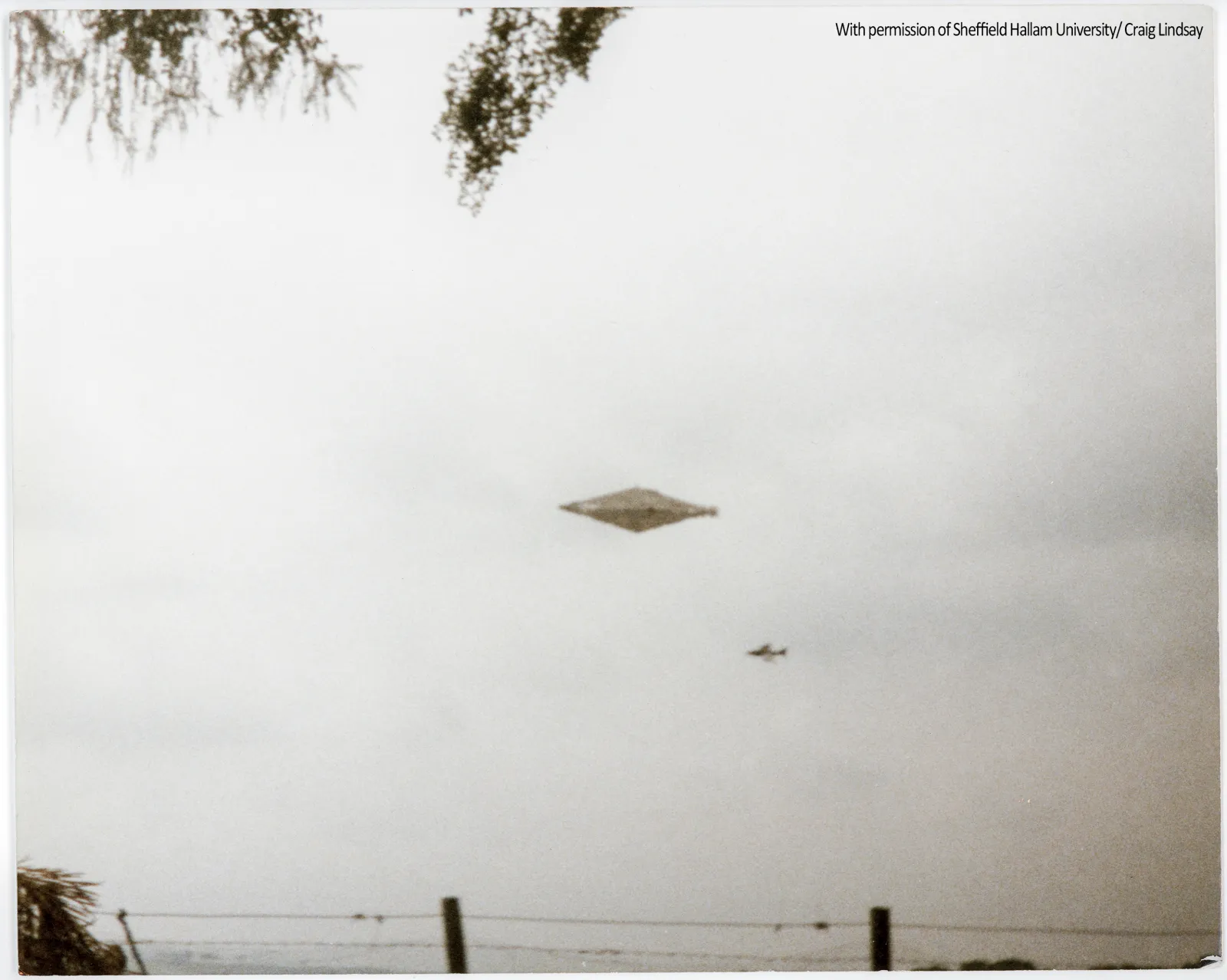
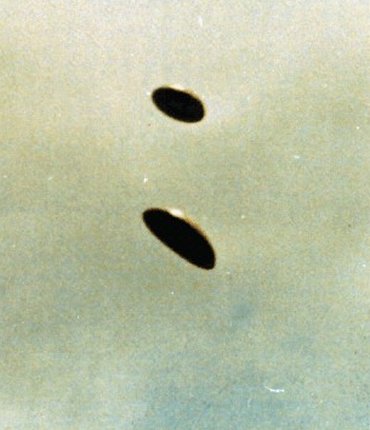
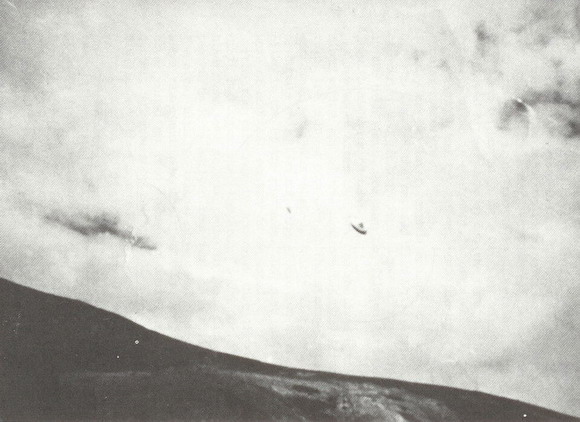
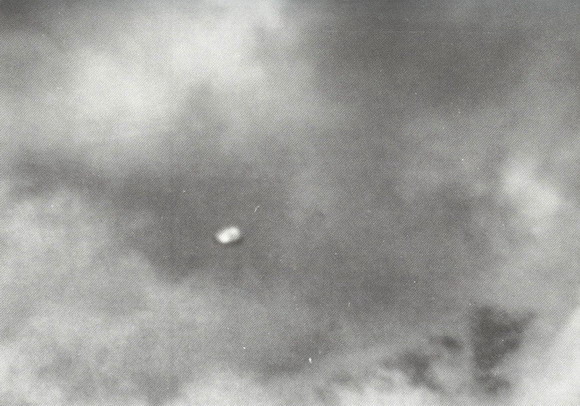
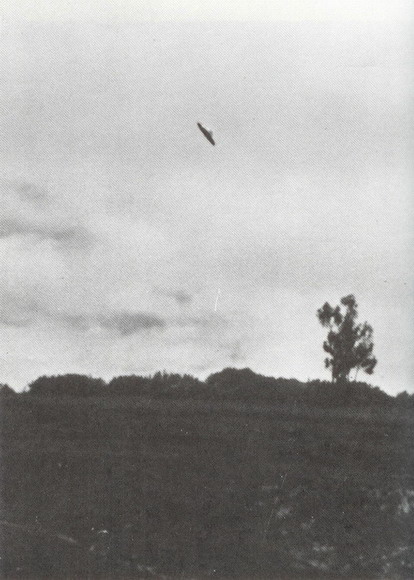
During his trek, Arranda photographed two identical disc-shaped flying objects — two machines flying in close formation, side by side. The objects appeared together as they approached over the shoulder of Mt. Huascarán. At some point the two craft separated: one remained in view while the other circled out over the valley, later rejoining its companion above before both departed. The entire sequence was captured on the four frames of film in Oré's Voightlander.
Upon returning to Lima, Arranda developed the film and sent an album of photographs back to Oré in Yungay by mail — including copies of the UFO photographs, which appeared at the end of the album. Oré received the album and, for two years, the photographs sat forgotten in his house.
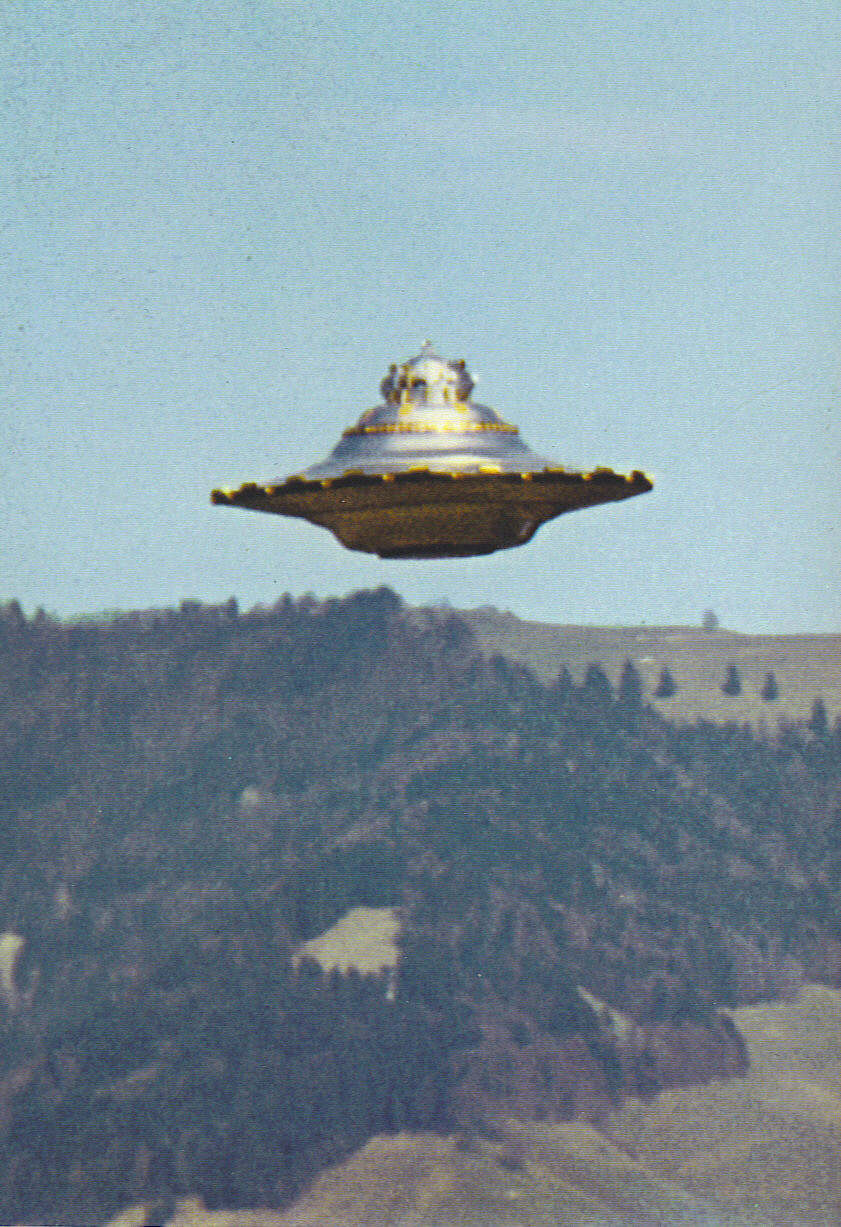
In the Callejón de Huaylas rise peaks of practically 4,000 meters. The panoramas are splendid, where Arranda was going to take his shots of 2 flying discs.
— RR0 / APRO investigation recordThe photographs surfaced by accident. In 1968, copies of the images reached J. Richard Greenwell of the Aerial Phenomena Research Organization (APRO) — not through any effort by Arranda or Oré, but through a Kodak laboratory employee who had violated company rules by making unauthorized copies of the film at the time it was developed. Greenwell began investigating the case and traced the photographs to the Kodak Peruana S.A. processing laboratory, where the employee had retained copies of the sequence in violation of company policy.
Kodak managers in Peru confiscated the photographs from the employee before Greenwell could reach him and refused to release them. Greenwell persisted, and in 1969 he finally obtained the photographs through Eastman Kodak's International Markets Division in Rochester, New York — but Kodak had no records that would trace the prints back to their original source. The Peruvian Ministry of the Navy subsequently confirmed that the photographs had been taken in Yungay and that there were four in total.
Greenwell traveled to Yungay and located César Oré, who provided copies of the three remaining photographs that had been retained in Lima. Arranda had mailed all four copies to Oré from Lima, and Oré had shared them with Kodak Peruana S.A. at some point — possibly when having the film processed a second time. Greenwell was thus able to assemble the complete four-photograph sequence.
While the existence of Augusto Arranda as the photographer was verified, APRO was never able to locate him for additional information. The circumstances of the original sighting — weather conditions, time of day, the photographer's exact vantage point, and any additional witnesses — remain unknown because Arranda himself was never interviewed.
APRO's analysts examined the first-generation prints and found no elements indicative of hoax or manipulation. The organization assessed the case favorably, noting that neither Arranda nor Oré sought publicity for the photographs — the sequence had to be discovered and brought to public attention through indirect means, not without effort. This absence of any obvious motive for fabrication was considered significant by the investigators.
The investigation was tragically complicated by the catastrophic earthquake that struck central Peru on May 31, 1970. One of the most powerful ever recorded, the quake — centered in the Callejón de Huaylas — triggered an avalanche of glacier ice and rock from Mt. Huascarán that descended upon Yungay at nearly 400 kilometers per hour. The city was buried in minutes. An estimated 70,000 people died. The original prints of the UFO sequence, retained by Oré, and his Voightlander camera were lost in the avalanche. Oré himself did not survive.
The Yungay photographs represent a significant photographic case from South America in the 1960s. The four-image sequence documents two identical disc-shaped craft flying in close formation, with a behavioral pattern of approach, separation, and reunion — a level of coordinated activity between two craft that is rarely captured in UFO photographic evidence. The dual-craft observation adds an additional dimension of evidential interest beyond single-object photographs.
APRO's analysis of the first-generation prints found no signs of hoax or manipulation. The circumstances of the photographs' emergence — surfacing only because a Kodak laboratory employee secretly copied the film against company policy, and subsequently requiring years of international investigation by Greenwell to assemble the full sequence — argue against any obvious motive for fabrication by the witnesses. Neither Arranda nor Oré sought publicity, and neither was connected to the UFO research community.
The primary limitations on the case are the absence of the original negatives, the loss of the original prints in the 1970 earthquake, and the lack of direct testimony from the photographer. Without the negatives, modern digital analysis of the original film stock is impossible. Without Arranda's testimony, the full circumstances of the sighting — including the duration of the observation, the behavior of the objects, and any sensory or instrumental effects — are unknown.
The case has not received comprehensive analysis commensurate with its potential significance. The dual-craft formation and the behavioral complexity of the observed objects — approach, separation, circling, reunion, and departure — constitute a pattern that warrants dedicated analytical treatment. The fact that the photographer was an ordinary civilian with no apparent connection to the UFO research community, and that the photographs were never intended for publication, is a meaningful element of authenticity in a field where staged or embellished cases are not uncommon.
- Q.01Were the two disc-shaped craft observed and photographed at Yungay in 1967 part of the same mission or operation? The behavioral pattern — approach together, separate, one circle out over the valley, rejoin above, then depart together — suggests a level of coordination and intentionality that is unusual in the UFO photograph record. Is there a conventional or unconventional explanation for coordinated dual-craft behavior of this type?
- Q.02Could first-generation prints of the Yungay photographs survive in any archive? The original prints held by César Oré were lost in the 1970 earthquake, but it is possible that copies exist in the APRO files, Eastman Kodak's archives, or the collection of Richard Greenwell. If surviving prints could be located and subjected to modern digital scanning and elemental analysis, they might yield information not available from the existing lower-generation copies available online.
- Q.03Are there additional sightings of disc-shaped craft in the Yungay / Callejón de Huaylas region in 1967 or the surrounding period? The nearby UFOs listed in the UFO Database include another Yungay sighting on March 1, 1967 and a Callejón de Huaylas sighting on the same date. Whether these are connected to the March 22 event is unknown. Systematic review of Peruvian UFO archives for additional 1967 sightings in this region would help establish whether the Yungay photographs represent an isolated event or part of a more continuous phenomenon.
- Q.04Was there any instrumental or electromagnetic effect associated with the sighting? Without Arranda's testimony, it is not known whether the objects produced any effect on the camera, the surrounding environment, or the photographer. The 1960s Peruvian military records — particularly any reports held by the Peruvian Navy, which confirmed the Yungay location — may contain additional documentation of the incident that has not been made public.
- Q.05What determined the specific March 22, 1967 date for the event? Was the photographer engaged in any activity that might explain why he happened to have a camera at the precise moment two craft flew overhead? The accidental nature of the photography — a borrowed camera, a hike undertaken for cactus photography, and two years of the prints sitting forgotten in Oré's house — is itself part of the case's authenticity argument.