The Navy 2021 Flyby Video entered the public record on May 17, 2022, when Deputy Director of Naval Intelligence Scott Bray presented it during a rare open hearing before the U.S. House Intelligence Committee's Subcommittee on Counterterrorism, Counterintelligence, and Counterproliferation. The hearing marked the first public congressional UAP briefing in over fifty years and represented a significant shift in the U.S. government's willingness to officially acknowledge and discuss unidentified aerial phenomena.
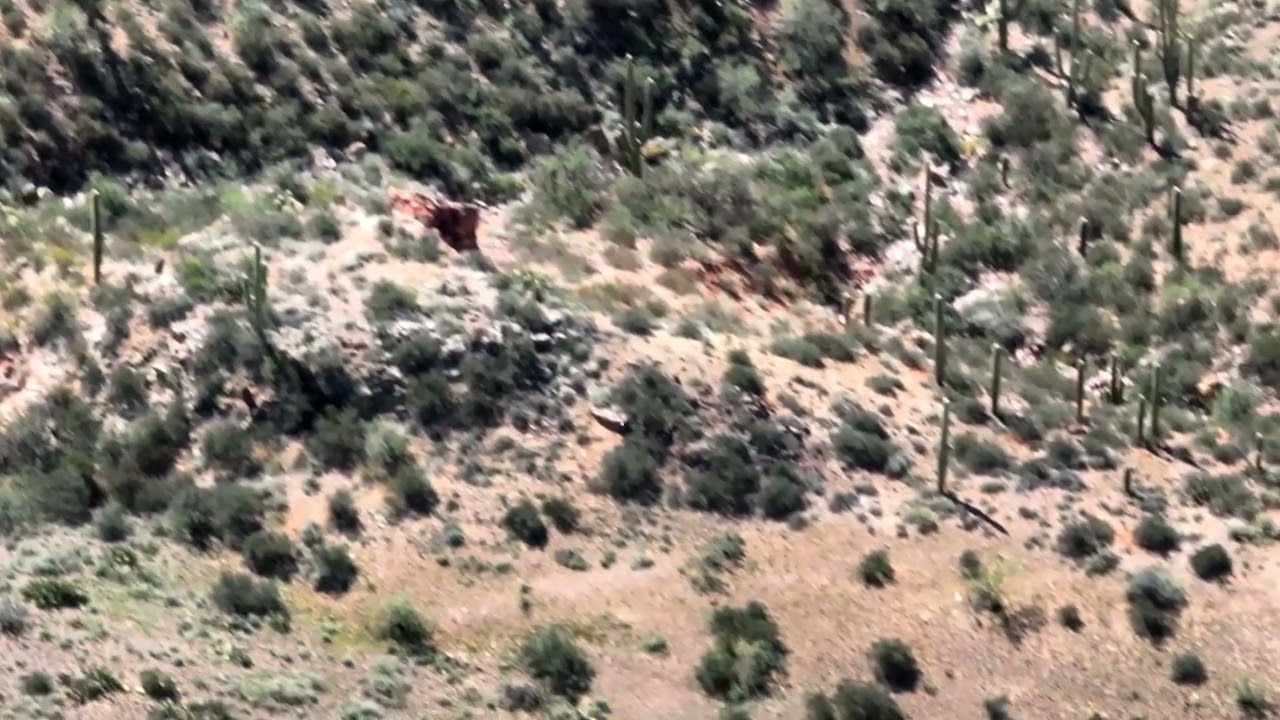
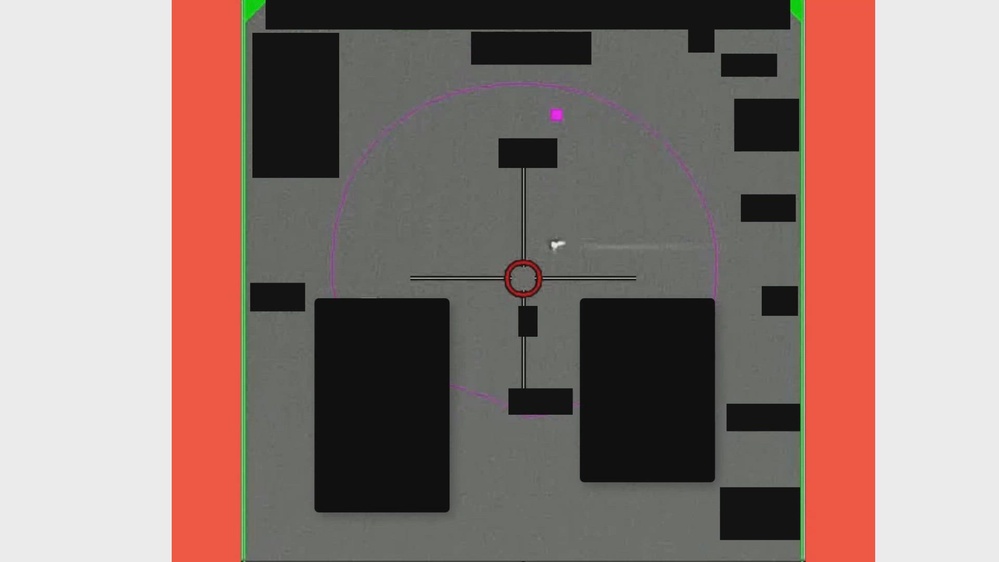
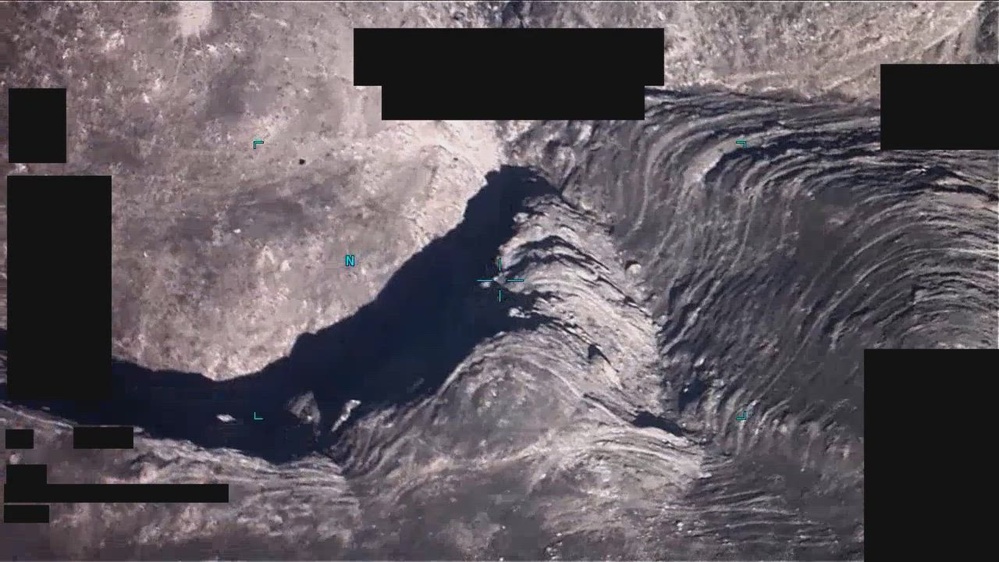
The video, captured from the cockpit of a U.S. Navy fighter aircraft during a 2021 encounter, shows a spherical, silvery object rapidly crossing the pilot's field of view in a near-perpendicular trajectory relative to the aircraft's course. The encounter is extremely brief — lasting only a fraction of a second in the recorded footage — making it one of the most time-compressed military UAP encounters in the official record. The object passes from one side of the windscreen to the other without any observable change in velocity or heading.
The precise location of the encounter was not disclosed for operational security reasons, identified only as occurring in active U.S. military airspace. The date of the original encounter falls within 2021 — the video's title refers to the year of the encounter rather than its May 2022 public release date. The specific aircraft type, naval unit, and geographic region were all withheld from the public record.
Deputy Director Bray presented the video as a representative example of the type of UAP encounters routinely reported by naval aviators during training operations. He emphasized that the extreme speed at which the object traversed the camera view is characteristic of a typical aircraft-to-aircraft encounter geometry, where two platforms traveling at high speed on converging or perpendicular courses create a brief, high-velocity visual contact from either cockpit.
The object's visual appearance is consistent with descriptions from multiple other recent military UAP reports — a metallic, reflective sphere with no visible propulsion system, control surfaces, or markings. Its size could not be determined from the footage alone given the absence of known reference objects in frame and the lack of precise range data. The silvery sphere morphology matches dozens of other unresolved military UAP encounters from the same era.
The Navy 2021 Flyby Video was reviewed by the All-domain Anomaly Resolution Office (AARO) and the predecessor Unidentified Aerial Phenomena Task Force (UAPTF) as part of the systematic cataloging of military UAP reports. AARO was formally established in July 2022, and this video was among the cases incorporated into its initial archive from the UAPTF and Naval Aviation reporting programs.
In his congressional presentation, Deputy Director Bray explicitly stated that the UAP Task Force had been unable to identify the object shown in the video. He confirmed that no subsequent investigation had produced a classification of the object as any known drone, aircraft, balloon, or natural atmospheric phenomenon. The investigation relied primarily on the cockpit video footage itself, supplemented by whatever aircraft instrument data and aviator testimony was available from the 2021 encounter.
One analytical challenge specific to this case is the extreme brevity of the encounter. A fraction-of-a-second flyby provides severely limited observational data for any analytical methodology. The resolution and frame rate of the cockpit camera further constrain what can be measured or inferred about the object's actual size, independent speed, altitude, and distance. These limitations make definitive identification from the footage alone essentially impossible without corroborating sensor data.
AARO's broader investigation protocols, as described in congressional testimony, include cross-referencing UAP reports with radar data from FAA and military air traffic control systems, satellite data, and signals intelligence. Whether corroborating data from these sources was available and analyzed for this specific encounter has not been publicly disclosed, limiting outside evaluation of the investigation's thoroughness.
The public release of this video served a dual institutional purpose: it provided Congress and the public with a concrete, authentic example of the encounters being regularly reported by naval aviators, and it illustrated the inherent analytical challenge of evaluating UAP events that occur too rapidly for current sensor systems to capture comprehensively. AARO officials cited it in arguments for improved multi-sensor integration and mandatory UAP reporting by all military personnel.
The Navy 2021 Flyby object remains officially unidentified. AARO has not offered a definitive alternative explanation for the silvery spherical object shown in the footage, and the case remains open in the agency's active UAP archive. No formal determination of conventional or extraordinary origin has been issued by any government body.
The case's primary significance is less about its specific content and more about its institutional role. Its presentation to Congress by senior intelligence officials in an open hearing normalized the official acknowledgment of unexplained military encounters and helped build the political foundation for increased UAP research funding, mandatory reporting statutes, and the expansion of AARO's investigative mandate.
From a technical standpoint, the case illustrates a recurring limitation in military UAP documentation: encounters that occur too rapidly for standard cockpit or aircraft-mounted sensor systems to capture sufficient data for meaningful analysis. This gap has spurred AARO's advocacy for dedicated multi-modal UAP sensor systems and improved data fusion protocols capable of capturing simultaneous radar, optical, and infrared data in the seconds available during such encounters.
The consistency of this object's description — a silvery, reflective sphere with no visible propulsion — with dozens of other military and civilian reports across multiple years and locations suggests a recurring category of phenomenon rather than an isolated anomaly. Whether this category represents adversarial drone technology, an uncharacterized natural phenomenon, or something else entirely remains one of the central unresolved questions in AARO's active research program.
- Q.01Was radar data from the aircraft or ground control available for this encounter? The brief duration of the visual contact makes cockpit video the only publicly described evidence. Radar data from the aircraft's own systems or from air traffic control could independently confirm the object's trajectory and speed, but this data has not been publicly released or described.
- Q.02What was the relative velocity between the aircraft and the object? To accurately characterize the object's independent speed, both the fighter's true airspeed and the object's own velocity must be known. Without both parameters and confirmed geometry, the object may have been nearly stationary or traveling at extreme speed — the visual impression alone cannot distinguish these cases.
- Q.03Were other aircraft in the operating area that could have been the observed object? Active military airspace can involve multiple aircraft, drones, and test vehicles operating simultaneously. Whether a deconfliction review was conducted to rule out friendly or known aircraft as the source of the contact is not documented in the public record.
- Q.04Has the pilot provided a full witness account beyond what the video shows? The brief clip captures only a fraction of a second. The pilot may have had additional visual contact before or after the camera recorded the object. A detailed aviator statement would substantially enrich the evidentiary record for this case.
- Q.05Are there other documented encounters with similar objects in the same airspace or operational area? If the object type is recurrent in specific military training areas, pattern analysis could help narrow candidate explanations and determine whether the phenomenon is geographically associated with specific airspace or broadly distributed across Navy operating areas.
- Q.06What does this flyby encounter reveal about detection and identification gaps in current military airspace management? An unidentified object operating in active restricted military airspace without challenge or identification — regardless of its ultimate origin — represents a clear operational security gap. This case is one of many that has driven congressional pressure for improved UAP detection infrastructure, dedicated sensor systems, and mandatory incident reporting policies across all branches of the armed services.