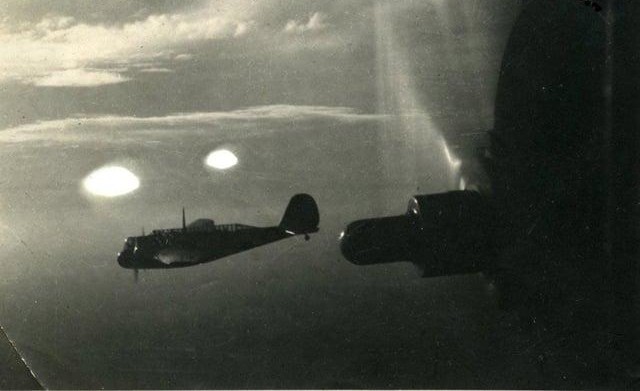
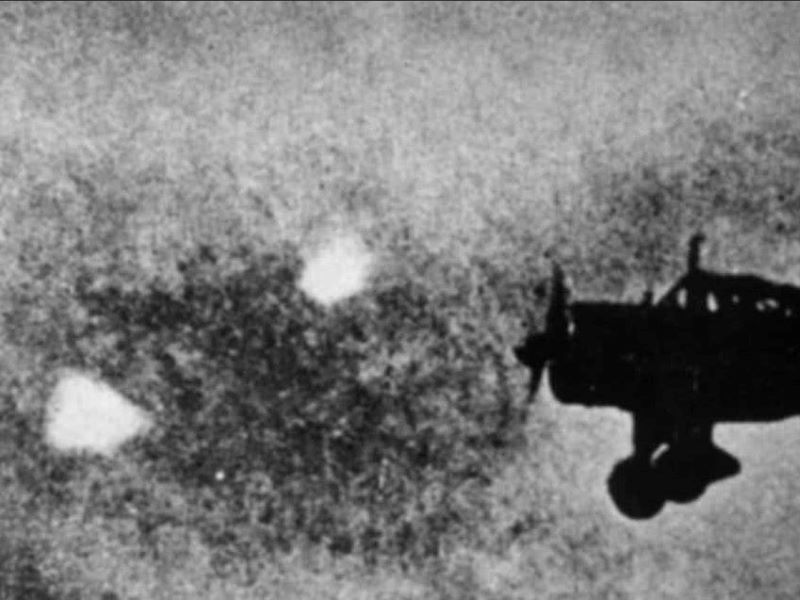
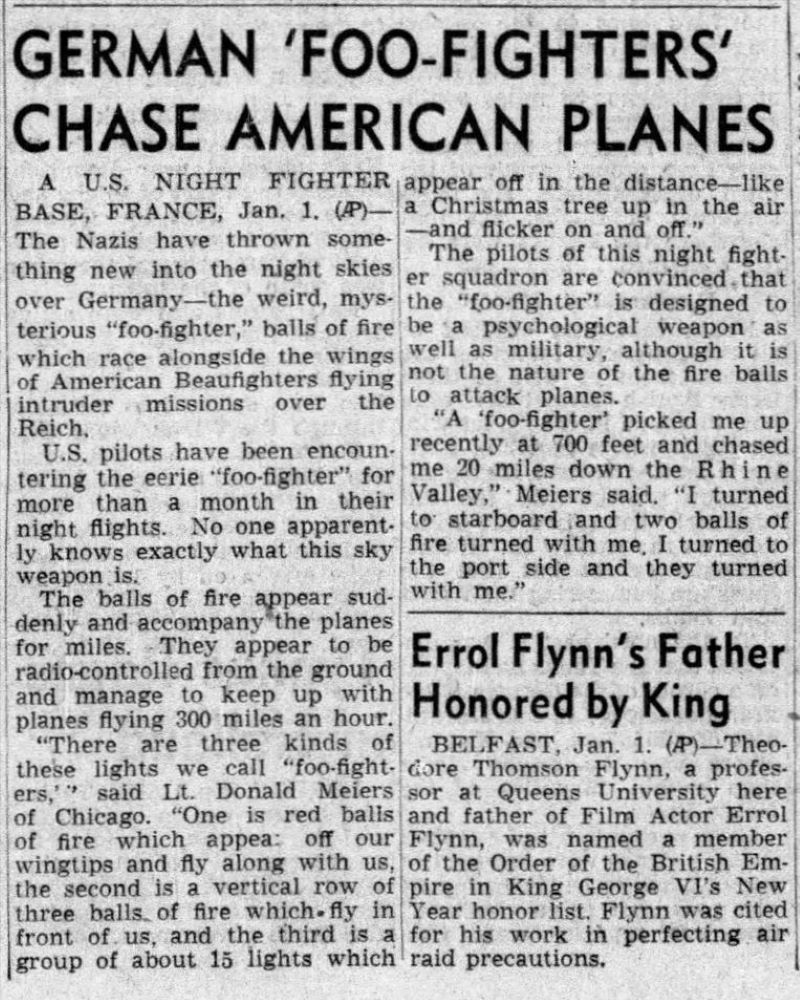
During World War II, Allied and Axis pilots reported encounters with mysterious luminous objects that appeared to follow or chase their aircraft. These phenomena became known as "foo fighters" — a term that entered popular culture and eventually gave rise to the modern rock band name Foo Fighters.
These objects were typically described as glowing orbs, balls of fire, or discs that seemed to follow or chase after aircraft, often displaying erratic or seemingly intelligent movements. U.S. pilots assumed these objects were German, and the Germans assumed they were American.
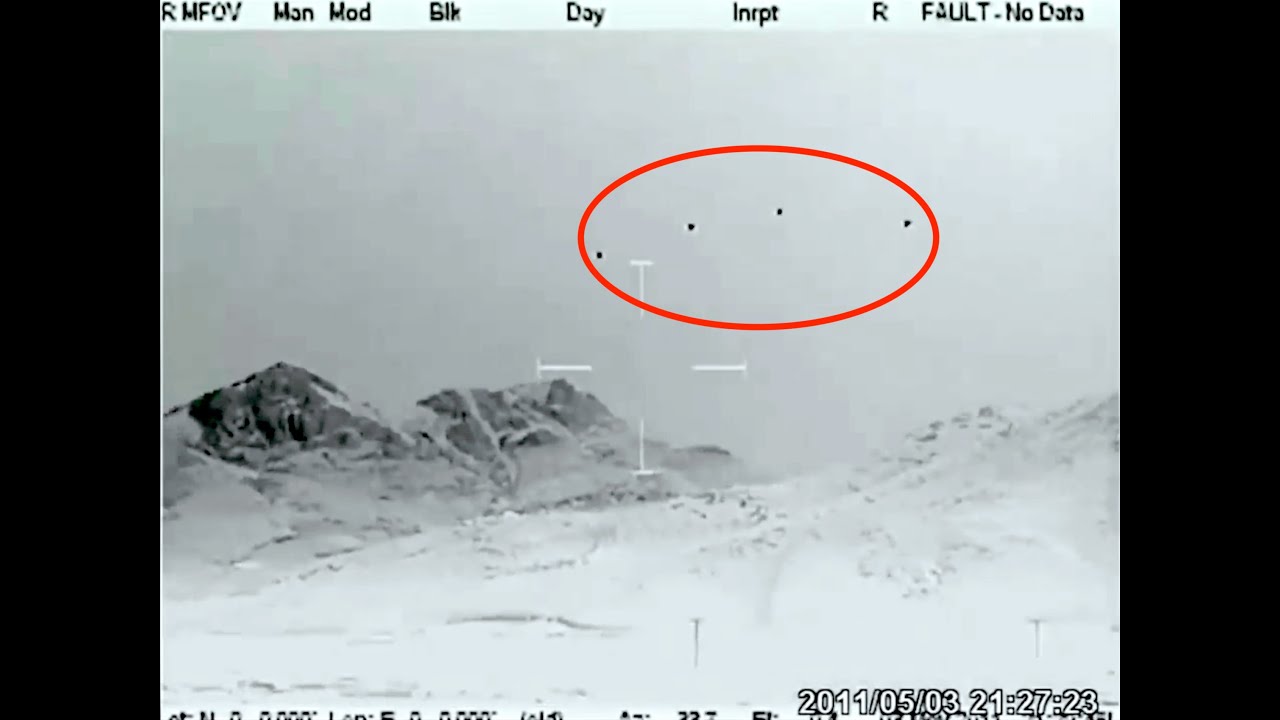
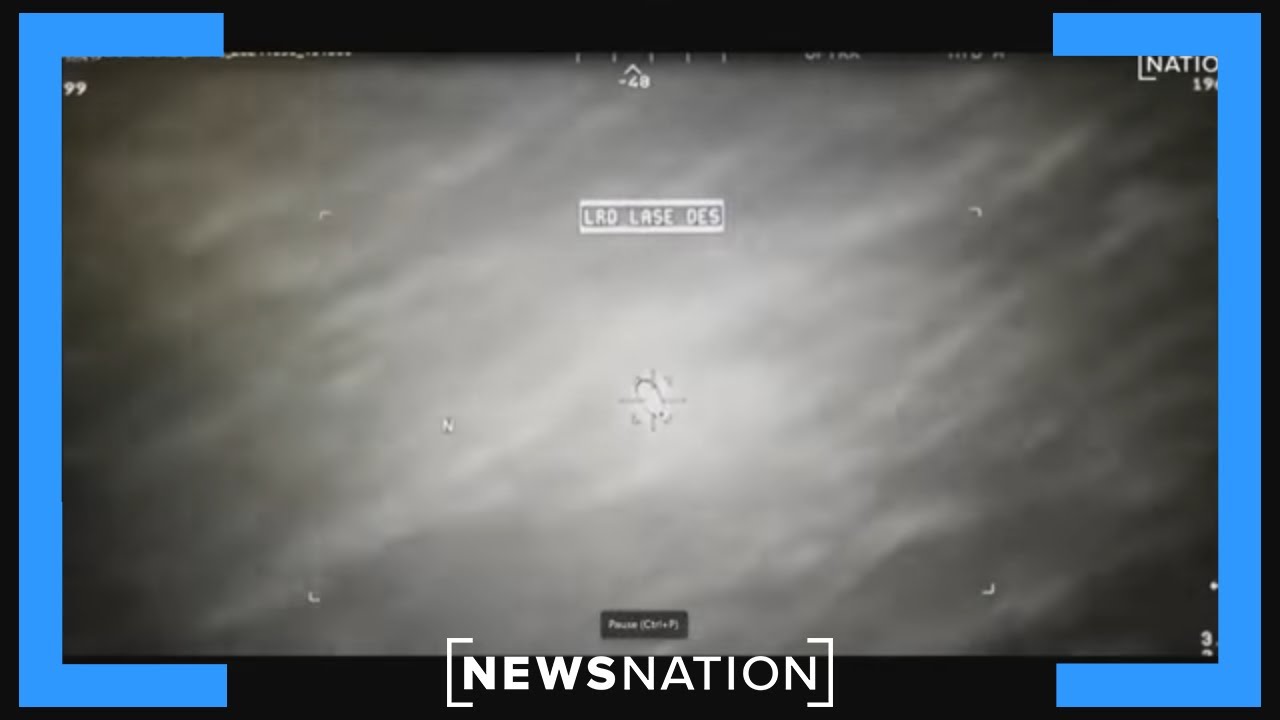
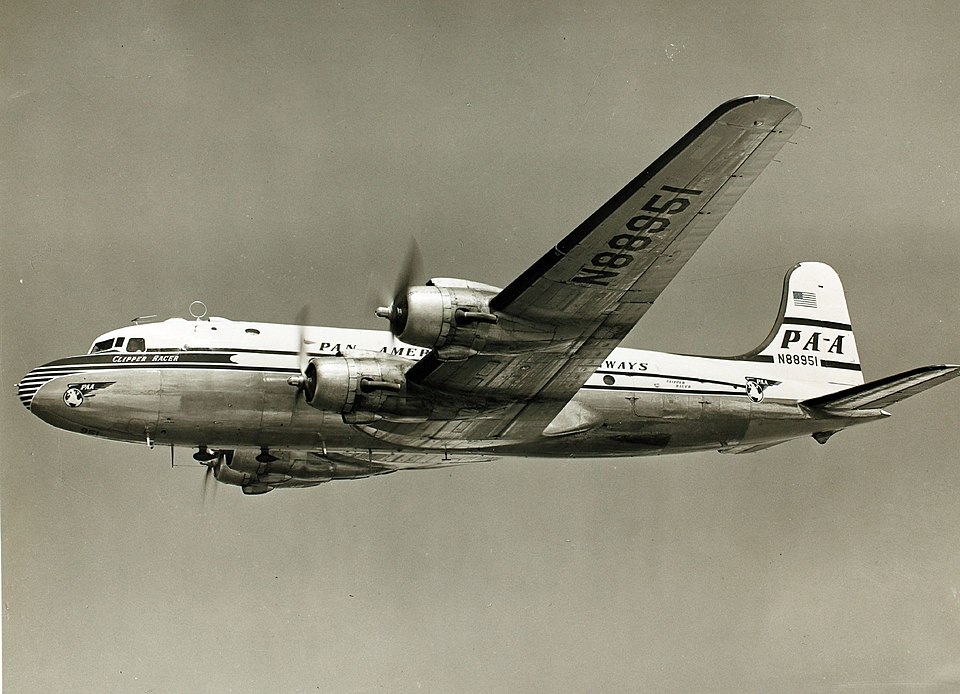
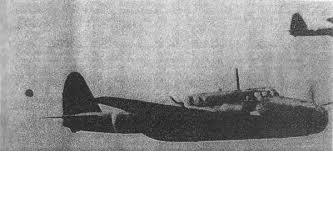
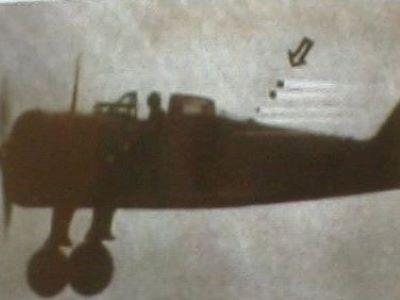
Despite numerous sightings and reports from credible military pilots, the exact nature and origin of the foo fighters remains a mystery to this day. Many photographs of these so-called "foo fighters" were taken during WWII and have been preserved in military archives.
Military pilots throughout WWII reported consistent descriptions of these unidentified objects:
- Appearance: Glowing orbs, balls of fire, or metallic discs
- Behavior: Seemed to follow aircraft, displaying intelligent movement patterns
- Speed: Capable of matching or exceeding aircraft speeds
- Maneuverability: Erratic movements that defied conventional aircraft capabilities
- Duration: Could follow aircraft for extended periods before disappearing
These sightings occurred on both European and Pacific fronts, with reports coming from American, British, and German pilots alike.
Various explanations have been proposed for the WWII foo fighter phenomena:
- Experimental Aircraft: Some researchers suggest they may have been experimental aircraft or weapons developed by Germany, Japan, or the Allies
- Natural Phenomena: Ball lightning, St. Elmo's fire, or other atmospheric electrical phenomena
- Psychological Effects: Stress, fatigue, and combat pressure may have caused pilots to misinterpret ordinary phenomena
- Extraterrestrial: Some ufologists believe the objects represented extraterrestrial craft observing Earth's conflict
The fact that both sides — Americans and Germans — reported similar sightings of objects they attributed to the other side has led many researchers to rule out conventional explanations and consider more exotic possibilities.
The foo fighter phenomenon added an element of mystery and intrigue to the already intense and dangerous air battles of World War II. Pilots already dealing with the threat of enemy fire now had an additional unexplained phenomenon to contend with.
Reports from credible military aviators, combined with photographic evidence, have made the foo fighters one of the most documented unexplained phenomena from the WWII era. The sightings occurred primarily during night missions and were reported by multiple witnesses simultaneously.
These reports predate the modern UFO phenomenon by several years and represent some of the first widespread encounters with unidentified aerial objects by military personnel.
Despite extensive investigation and numerous theories, the foo fighter phenomenon remains unexplained. No definitive evidence has been found to conclusively identify the nature of these objects.
The U.S. Army Air Force, which documented many of these sightings, never issued a formal explanation. The objects displayed capabilities that exceeded known technology of the era, leading many researchers to classify them as unidentified aerial phenomena.
Today, the foo fighters remain one of the most fascinating chapters in UFO history, representing a period when military personnel on both sides of the conflict reported encountering the same mysterious phenomena.